About SLE

A complex disease.
A clearer picture.

An introduction to systemic lupus erythematosus and the role that genetics plays in research.

What is lupus?

Systemic lupus erythematosus (SLE) is a long-term autoimmune condition. The immune system, which normally protects against infection, becomes misdirected and can cause inflammation in healthy tissue.

Lupus can affect many parts of the body, and symptoms can vary greatly between people and over time. Commonly affected systems include the skin, joints, blood and kidneys.

This website provides research information, not medical advice.

If you are worried about symptoms or treatment, speak to a qualified healthcare professional.
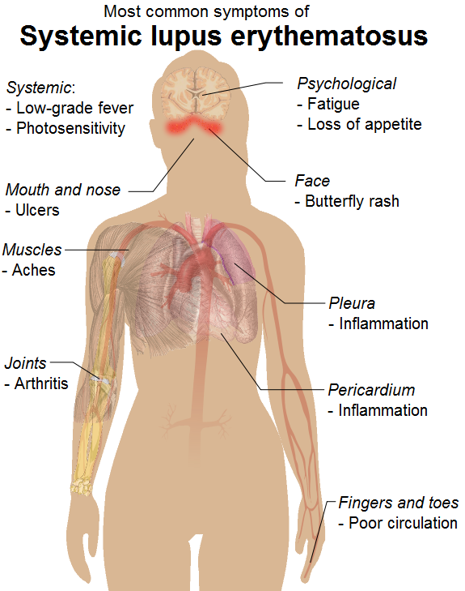
Diagram of body systems that may be affected by lupus
Genetics

Risk, not destiny

Lupus has a heritable component, but no single common genetic change determines whether someone will develop it.

Environment

Many factors interact

Genetic susceptibility works alongside environmental, hormonal and other influences that research is still clarifying.

Variation

Different for everyone

The biological pathways and clinical experience of lupus can differ substantially between individuals and populations.

Genetic signals are clues to disease biology.

When many independent studies point to particular immune pathways, those findings help researchers understand mechanisms, identify meaningful subtypes and prioritise future experiments.