Shared genetic architecture
Identify genetic variants and pathways that contribute to more than one complex disease or immune-related outcome.
Our research
We study how inherited variation contributes to lupus and how those signals alter the immune system.
The challenge
Systemic lupus erythematosus is influenced by many genetic variants, each contributing a small part of overall susceptibility. Environmental and hormonal factors also matter, and the mix differs from one person to another.
This complexity is precisely why large studies, careful statistical analysis and collaboration across populations are essential.
Current research framework
We combine statistical evidence with biological knowledge to investigate shared genetic architecture across immune-mediated disease and infection.
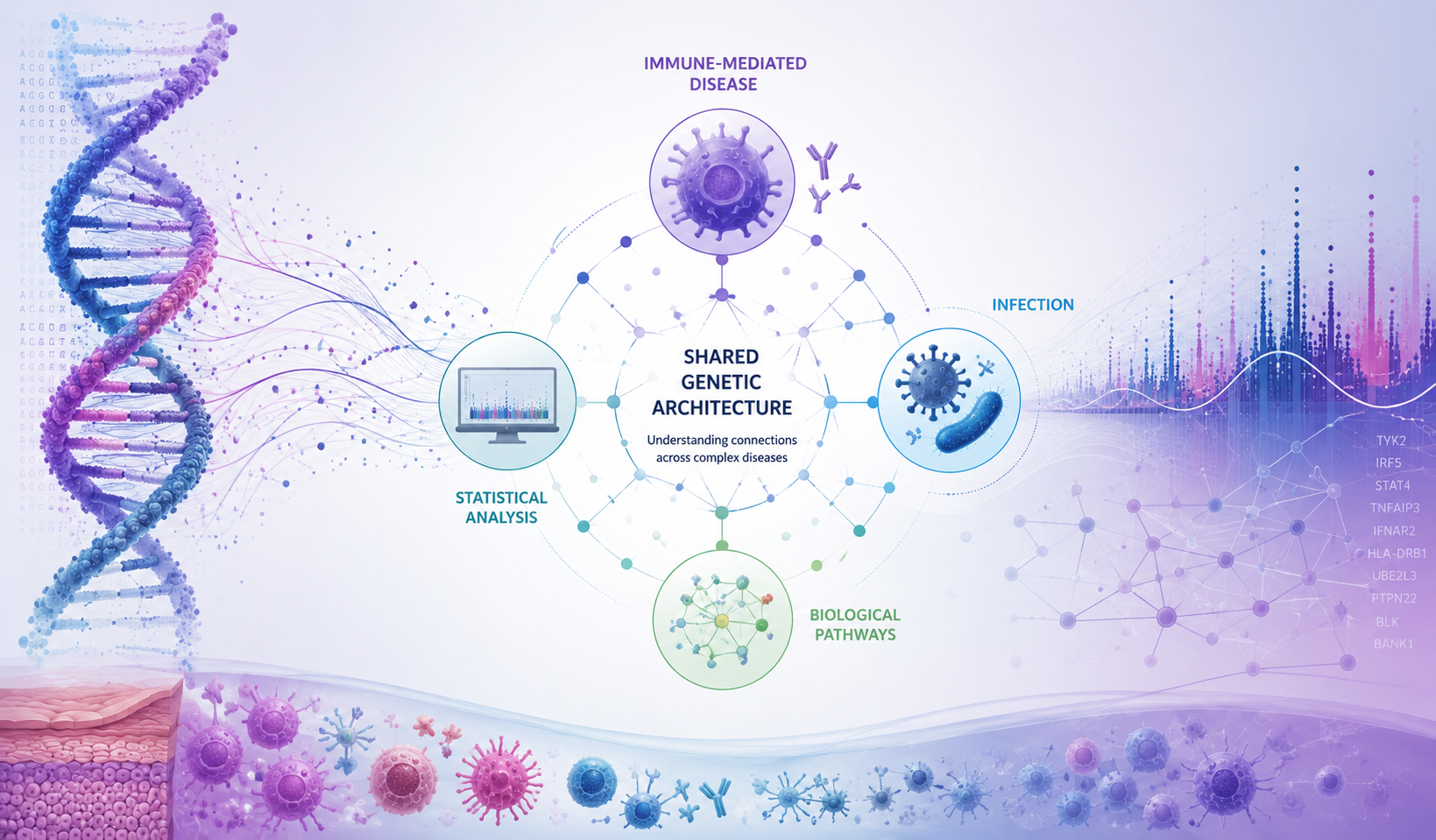
Identify genetic variants and pathways that contribute to more than one complex disease or immune-related outcome.
Use genome-wide association, fine-mapping and cross-trait methods to distinguish robust signals from background variation.
Connect association signals to genes, proteins, cell types and immune mechanisms that can be investigated experimentally.
Compare shared and contrasting mechanisms to understand how inherited variation shapes immune function in different contexts.
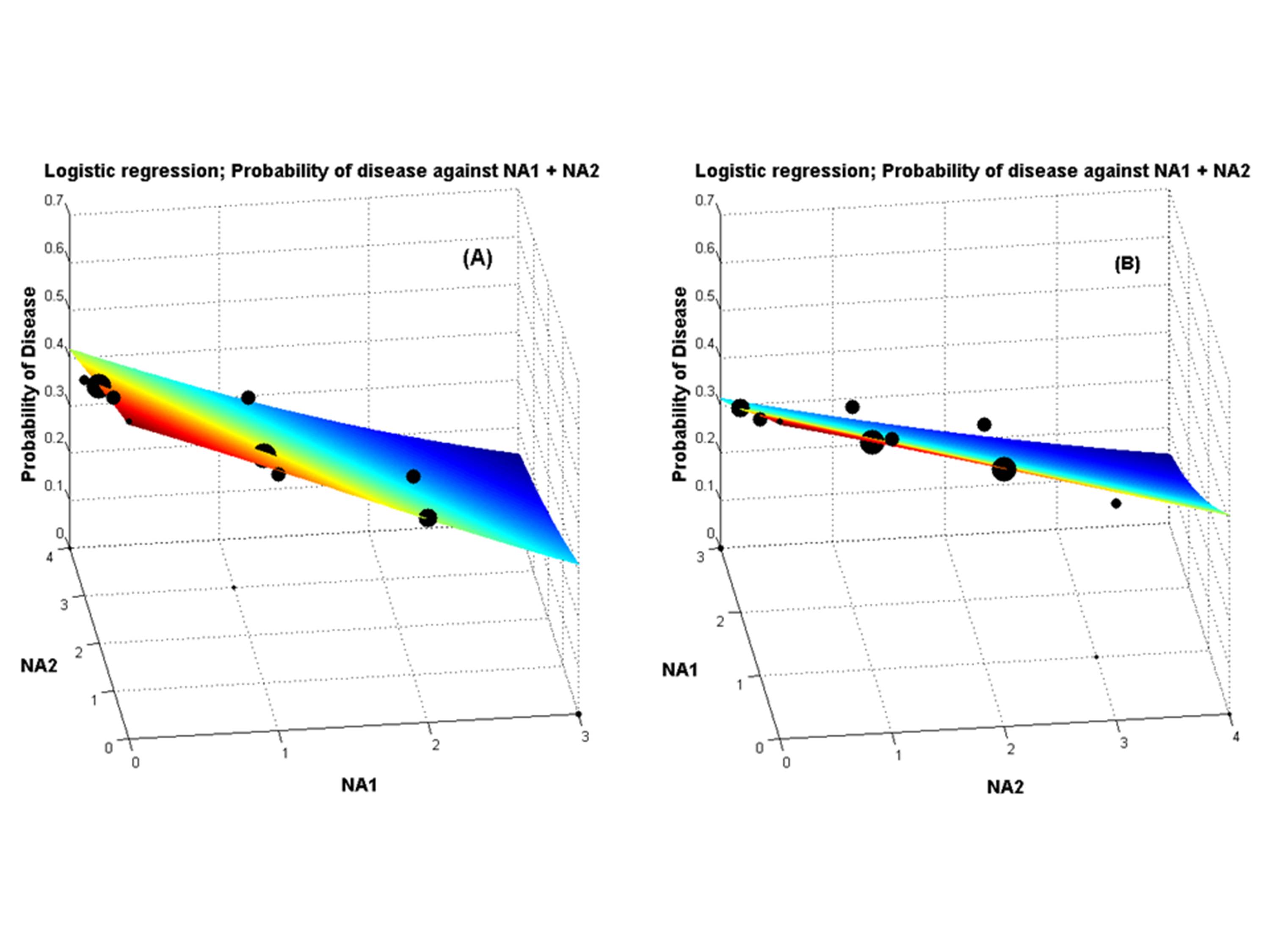
Genome-wide association studies compare genetic variation across large groups, highlighting regions associated with SLE risk.

Statistical fine-mapping and functional evidence help move from an associated region toward likely genes, cell types and mechanisms.

Integrating multiple data types reveals patterns across innate and adaptive immunity and supports testable biological hypotheses.
Open by design
InsideGen exists to make research progress, context and resources easier to find. We welcome questions from researchers, participants and the wider lupus community.